
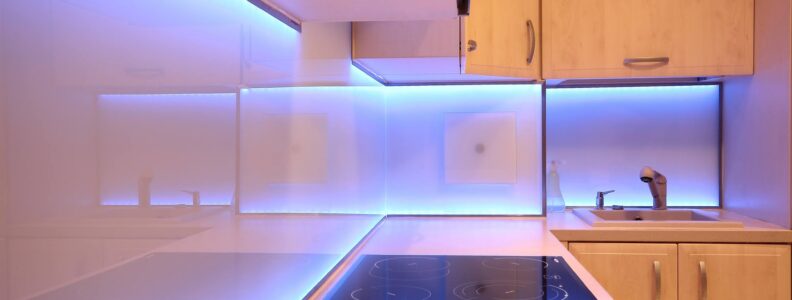
Modern interior architecture often uses lighting to highlight textures and architectural features. Gone are the days when room illumination meant central ceiling fixtures or bulky fluorescent tubes. Today, high-end residential and commercial interiors use concealed light sources beneath cabinetry, inside floating shelving, and within perimeter ceiling coves. These installations create a continuous ambient glow without putting the light source on display.
Achieving this seamless aesthetic requires clean, unbroken runs of LED linear lighting. However, behind every run of indirect light lies the power supply. For interior designers and electrical contractors, selecting slimline LED power supplies provides a compact option for supporting architectural lighting while keeping hardware concealed.
The Shift Toward Concealed Architectural Lighting
In modern kitchens and open-plan commercial spaces, lighting design often emphasizes subtlety. Indirect lighting techniques serve two distinct purposes:
- Task Lighting: Under-cabinet channels direct focused, shadow-free illumination onto countertops and vanity mirrors.
- Accent & Ambient Lighting: Ceiling coves and architectural soffits wash walls and ceilings with soft light, visually expanding the room and creating a warm, inviting atmosphere.
To deliver an even wash of light without visible hot spots, designers often use LED linear lighting. Flexible LED tape and aluminum extrusions allow for custom cut lengths and integration into custom millwork. Yet, because linear systems operate on low-voltage DC power, they require a driver or power supply to step down line voltage.
The Challenge of Hiding the Hardware
While LED strip profiles have grown increasingly thin and flexible, traditional power supplies can take up more space and be difficult to conceal in compact installations. In custom cabinetry or sleek drywall coves, finding a place to conceal a bulky transformer can lead to design compromises:
- Deep cutouts in expensive custom cabinets.
- Visible access panels in finished drywall.
- Driver placement far from the fixture, which can contribute to voltage drop over longer distances.
This is where slimline LED power supplies offer a more compact installation option. Engineered with low-profile footprints, slimline drivers slide fit within tight architectural cavities where space for electrical components is limited.
Key Advantages of Slimline LED Power Supplies
Integrating slimline drivers into your lighting plans offers functional and aesthetic benefits:
1. Direct Integration into Millwork & Coves
Slimline power supplies can be tucked discreetly into shallow light valances, positioned behind cabinet face frames, or hidden inside slim ceiling coves alongside the LED linear lighting channel itself. Their compact profiles provide more placement flexibility when space inside cabinetry or architectural features is limited.
2. Superior Thermal Management in Tight Spaces
A common concern with hiding electrical components in confined spaces is heat buildup. The housing and internal design of a slimline driver affect how heat is managed in confined installations. Confirm the ventilation and installation requirements for the specific power supply before placing it inside cabinetry or another enclosed space.
3. Smooth, Flicker-Free Dimming Integration
Architectural cove and cabinet lighting often uses smooth dimming control to transition a room from bright task-focused lighting during the day to ambient accent light at night. Dimming capabilities vary by driver, so the selected power supply should be checked for compatibility with the lighting system and intended dimming controls.
4. Simplified Code Compliance & Safety
Installing low-voltage power supplies within cabinetry or enclosed spaces must account for applicable local building codes. Opting for UL Class 2 compliant slimline drivers ensures built-in protection against short circuits and other electrical issues. Class 2 rating simplifies wiring requirements, making it safer and easier for contractors to pass municipal building inspections.
Best Practices for Installing Slimline Power Supplies
To maximize the performance and lifespan of your interior lighting system, follow these core installation practices:
- Calculate Load Accurately: Determine the total wattage of your LED linear lighting run and choose a driver rated for at least 20% more than the total load. Running a power supply at 80% maximum capacity prevents overheating and extends component life.
- Prioritize Accessibility: Even slimline drivers should remain accessible for future maintenance. Mount power supplies near removable cabinet panels, magnetic access hatches, or accessible utility bays.
- Account for Voltage Drop: Position the slimline driver as close to the lighting run as practical to prevent dimming or color shifting across long linear distances.
Elevate Your Lighting Designs with LED Power Inc.
In modern interior design, concealing lighting hardware can help maintain a clean finished appearance. Slimline LED power supplies provide the slender form factor and reliable voltage regulation needed to bring ambitious cove and cabinet designs to life.
Explore LED Power Inc.’s complete selection of interior slimline LED drivers and low-voltage power supplies to find the perfect match for your next custom residential or commercial project.
Frequently Asked Questions
Can slimline LED power supplies be mounted directly inside wooden cabinets?
Yes. Quality slimline LED power supplies are Class 2 certified and designed for direct mounting on or near millwork surfaces. However, always ensure there is sufficient ambient airflow around the housing to allow passive heat dissipation, avoiding completely sealed, unventilated enclosures.
What is the difference between 12V and 24V slimline drivers for linear LED lighting?
While both provide low-voltage DC power, 24V slimline drivers are generally preferred for longer runs of LED linear lighting. Higher voltage reduces current (amperage), allowing you to power longer continuous strip lengths with less heat and minimal voltage drop compared to 12V systems.
Do slimline drivers work with standard wall dimmers?
Many slimline LED power supplies feature universal dimming compatibility (supporting TRIAC, ELV, and 0-10V control systems). To ensure smooth, flicker-free dimming from 100% down to 1%, verify that the driver’s dimming protocol matches the specific wall dimmer switch installed in your space.
How far can a slimline LED driver be located from the LED strip?
It is best practice to install the driver as close to the lighting run as possible to prevent voltage drop. If you must remote-mount the driver, ensure you use an appropriately heavy wire gauge for the distance between the driver and the lights.
How do I choose the correct wattage for my LED cove or cabinet lighting project?
Calculate the total wattage by multiplying the watts-per-foot rating of your LED linear lighting by the total feet installed. Then, apply the 80% rule by selecting a slimline driver with a maximum output rating at least 20% higher than your total calculated wattage to prevent overload and extend component life.