
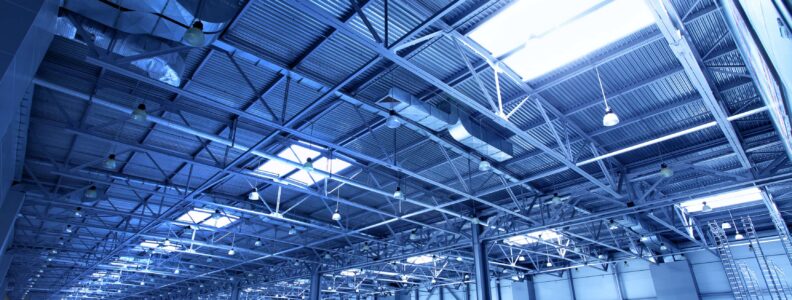
In the realm of modern manufacturing, standard lighting solutions frequently fall short. Standard commercial light fixtures are typically manufactured for controlled environments—air-conditioned offices, retail stores, and standard warehouses. However, place those same off-the-shelf fixtures inside a steel mill, chemical processing plant, commercial food washdown facility, or an offshore rig, and the rate of premature component failure spikes dramatically.
When extreme temperatures, relentless vibration, corrosive atmospheres, or high-pressure moisture enter the equation, industrial facility operators require specialized illumination. This is where custom LED engineering steps in. Rather than altering a facility to fit off-the-shelf hardware, custom-designed LED systems and LED linear interior lighting products are built around the exact environmental and physical challenges of the space.
The Anatomy of Extreme Industrial Environments
Off-the-shelf commercial fixtures generally fail in harsh environments due to three primary vectors: thermal overload, moisture/chemical ingress, and mechanical vibration. Designing fixtures for extreme environments requires addressing all three factors at the engineering level.
1. Extreme Thermal Spikes
High ambient temperatures inside glass manufacturing facilities, foundries, or paper mills can rapidly degrade standard LED chips and drivers. Excess heat causes thermal droop—a phenomenon where light output drops as junction temperatures rise—and dramatically accelerates lumen depreciation. Custom LED engineering addresses this through advanced thermal management by utilizing copper-core metal-core printed circuit boards (MCPCBs) and remote driver configurations that locate sensitive electronics away from heat zones.
2. Corrosive Chemicals and High-Pressure Washdowns
In processing plants, airborne corrosive agents (such as salt fog, ammonia, or sulfur) quickly degrade standard polycarbonate lenses and painted steel housings. Similarly, food and beverage processing facilities demand daily washdowns using high-pressure, high-temperature caustic chemical sprays. Custom fixtures for these spaces feature specialized anodized or fluoropolymer-coated aluminum housings and IP69K-rated hermetic seals that prevent moisture and gas ingress.
3. Heavy Mechanical Vibration and Impact
Heavy manufacturing plants and crane-mounted applications subject lighting fixtures to continuous structural vibration and mechanical shock. Standard fixtures with soldered wire connections, thin brackets, or clip-on lenses quickly loosen, flicker, or shatter under continuous oscillation. Custom industrial LEDs employ potted drivers—where internal electronics are completely encapsulated in protective silicone or epoxy resins—along with heavy-duty cast mounting hardware and high-impact polycarbonate or borosilicate lenses rated for high IK impact resistance.
Precise Optical Control for Complex Architectural Layouts
Extreme conditions are not strictly environmental; they can also be spatial and optical. Industrial and large-scale architectural projects often involve extreme mounting heights—such as 60-foot aircraft hangars, 100-foot shipping terminals, or intricate architectural vaulting—where standard floodlights generate severe glare or uneven light distribution.
Custom LED engineering allows for tailored optical design. By utilizing specialized total internal reflection (TIR) lenses, narrow spot reflector arrays, or asymmetric beam distribution optics, custom fixtures deliver light precisely where it is required without wasting energy on spill light. High Color Rendering Index (CRI) options and precise color temperature tuning further ensure that workers can perform visual inspections and quality control checks under clear, accurate lighting conditions.
Reducing Downtime and Total Cost of Ownership
While custom-engineered LED solutions represent a higher initial capital investment compared to standard fixtures, their financial return is realized through operational reliability and extended service life.
In high-risk or difficult-to-access industrial environments, the cost of the physical light fixture is often a fraction of the cost required to replace it. Renting specialized boom lifts, scheduling facility shutdowns, or deploying certified high-rigging safety crews to replace a failed overhead fixture creates substantial operational expenses. By engineering fixtures specifically designed to endure harsh operational conditions, facilities minimize maintenance interventions and significantly lower their Total Cost of Ownership (TCO).
Partner with LED Power for Custom Lighting Solutions
When standard lighting products cannot withstand your operational environment, custom engineering provides the solution. At LED Power, we specialize in designing and manufacturing high-performance LED systems engineered for the most demanding industrial and architectural applications. From high-temperature environments to complex optical requirements, our team delivers custom-tailored lighting solutions built for long-term performance.
Contact LED Power today to speak with our engineering team about your project requirements and custom lighting designs.
Frequently Asked Questions
Why do standard off-the-shelf commercial LED fixtures frequently fail in extreme industrial environments?
Standard commercial LED fixtures are engineered for ambient indoor settings like offices and retail spaces. When installed in industrial facilities, they quickly degrade due to heat overload and mechanical vibration. Standard components lack hermetic chemical-resistant seals and encapsulated electronics, leading to rapid lumen depreciation and premature fixture failure.
How does custom thermal management protect LED performance in high-temperature applications?
Excessive heat causes thermal droop, reducing lumen output and accelerating driver degradation. Custom LED engineering mitigates extreme temperatures by using copper-core metal-core printed circuit boards (MCPCBs) and custom-extruded aluminum heat sinks with specialized fin geometries, as well as remote driver housing setups. These designs efficiently draw heat away from delicate LED chips and driver electronics, ensuring stable output and extended fixture lifespans even in high-heat environments like foundries or manufacturing plants.
What makes custom LED fixtures resistant to high-pressure washdowns and corrosive chemicals?
Custom industrial fixtures designed for marine, chemical, or food processing facilities utilize high-grade anodized or fluoropolymer-coated aluminum housings paired with chemical-resistant tempered glass lenses. They feature IP69K-rated hermetic seals that completely block fine dust and high-pressure, high-temperature chemical spraydowns, preventing liquid ingress and internal component corrosion.
How do custom LED fixtures withstand continuous mechanical vibration and physical impact?
To endure heavy machinery vibration, crane operations, or high-impact industrial settings, custom fixtures feature fully potted drivers where internal circuits are encapsulated in protective silicone or epoxy resin. Combined with heavy-duty cast mounting brackets and high-impact borosilicate or polycarbonate lenses with top IK ratings, these fixtures resist mechanical shock and solder joint fractures that cause standard lights to flicker or fail.
How does custom LED engineering improve optical precision in complex or high-ceiling installations?
High-ceiling hangars, vaulted architecture, and expansive industrial yards require precise light placement without wasted spill light or blinding glare. Custom LED design incorporates tailored optics—such as specialized total internal reflection (TIR) lenses and asymmetric reflector arrays—that direct light precisely where needed. This tailored beam distribution ensures bright, uniform illumination across work zones while maximizing energy efficiency.