
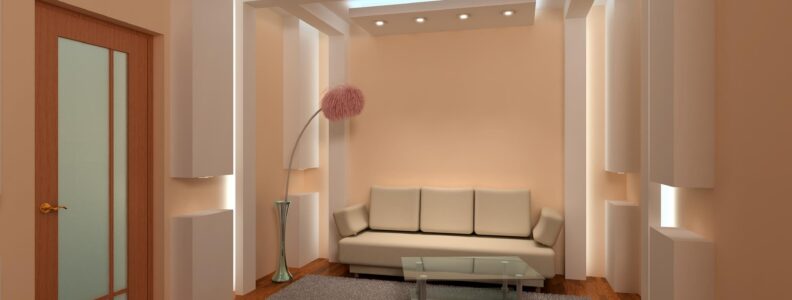
Walk through any building, and the lighting shifts from one room to the next. A busy shop floor and a quiet hallway rarely need the same thing, because the layout of a space and the way people use it shape what kind of light works. Interior Light-Emitting Diode (LED) fixtures give designers a flexible way to deliver focused or even illumination where it counts, and the settings below show where they fit best.
Retail Displays and Product Areas
Shoppers decide quickly, and good lighting helps products make their own case. Interior LED fixtures can send light straight to merchandise so color and texture show up clearly. Controlled distribution matters here, since it lets items on a wall display and a center table receive a similar level of light. A row of handbags looks tidier when no piece sits in shadow.
Shelving deserves special attention in a store. A fixture mounted along the front edge of a shelf can light every product from the same angle, and glass showcases do well with small fixtures tucked inside the frame. A display built around one standout piece can use a tighter beam to pull the eye straight to it. Walk a well-lit floor, and the products seem to step forward on their own.
Architectural Features and Interior Details
A textured wall or a recessed niche can go unnoticed until a fixture shines light on it.
Wall features respond well to light that skims the surface, since the shadows reveal texture and depth. Ceiling coves and recessed details take on a soft glow when a slim fixture is set inside. Counters can be outlined or lit from underneath, which gives them presence without crowding the room.
Placement counts as much as the fixture itself. Raise a light a little or tilt it slightly, and a different part of the room draws the eye. Lighting planned alongside the design reads as part of the architecture instead of an add-on.
Cabinets and Built-In Spaces
Built-in spaces are tight by nature. Cabinets and shelving units often have little depth to spare, so larger fixtures simply do not fit. Compact LED fixtures take up very little room and still send out plenty of useful light.
LED puck lighting is a common choice for these areas. A puck light is small and round, and it casts a focused circle of light onto whatever sits below it. Picture a shelf of glassware or a counter under a wall cabinet, and the benefit is easy to see.
Since each puck stands on its own, the spacing can follow the contents of the space, and a display of just a few items can be lit as well as a full shelf.
Commercial Work and Service Areas
In many commercial interiors, people spend long stretches on detailed tasks, so clear visibility matters more than style. Service counters are a good example. Light placed over the counter surface helps staff see paperwork and payments without squinting, and customers can read forms and receipts just as easily.
A work area needs light over the bench or desk where the real activity happens, not only a bright ceiling overhead. Directing illumination to those spots usually does more for comfort than raising the brightness of the whole room.
Decorative and Accent Lighting Applications
Light also shapes how a room feels. A well-chosen fixture can add character through color and line while still doing practical work.
LED linear interior lighting products fit naturally along coves and wall edges, where a continuous line of light gives a room its shape. Long, slim runs can follow a ceiling line or outline a feature wall for a clean, modern look.
Projects that want more flexibility can look to RGB and RGBW options, which change color to match a mood or an event. The RGBW type adds a true white, so a space can move from a vivid color to a clear, neutral glow. Restaurants and lounges often use that range to change the atmosphere as the evening goes on.
Functional and decorative lighting can share the same fixtures. A hallway can be well lit and good-looking at once.
Interior LED Fixture Selection by Application
Choosing a fixture starts with the room and the light’s intended purpose. A showroom needs light that makes products look their best, while a workspace needs light that helps people see small details. Next comes the amount of light and where it should land. A display wall may need a narrow beam on one surface, and a counter may need an even spread across its length.
Fixture size and installation location come next, and the desired look for the project is also important. A fixture that fits a shallow cabinet is a different product from one made to run along a long ceiling edge, and the finished appearance should agree with the style of the interior.
Because every space has its own demands, the fixture should match the application and not follow one lighting approach everywhere. Custom designs help when a room has unusual dimensions or a one-of-a-kind feature.
Conclusion
Interior LED fixtures cover a lot of ground, from focused product lighting to architectural and decorative accents, and the best results come from matching each fixture to its space and the effect it should create. Custom interior LED solutions are available for projects that call for a more tailored approach.
Connect with our team to talk through the lighting needs of your next interior project.
FAQs About Interior LED Fixtures
What types of spaces can use interior LED fixtures?
Both residential and commercial buildings can use them, and custom designs can handle rooms with unusual layouts.
Can LED fixtures be used for both functional and accent lighting?
Yes. Functional lighting helps people see what they are doing, while accent lighting puts the focus on a chosen feature. Many projects layer the two so a room works well and looks good.
Are linear LED fixtures suitable for interior applications?
Yes, and their slim shape suits narrow spots and long runs. They come in lengths that can be matched to the size of a space.
When are LED puck lights a good choice?
They work well when a spot needs a defined pool of light, such as a single item on display, or when a larger fixture has no room to sit.